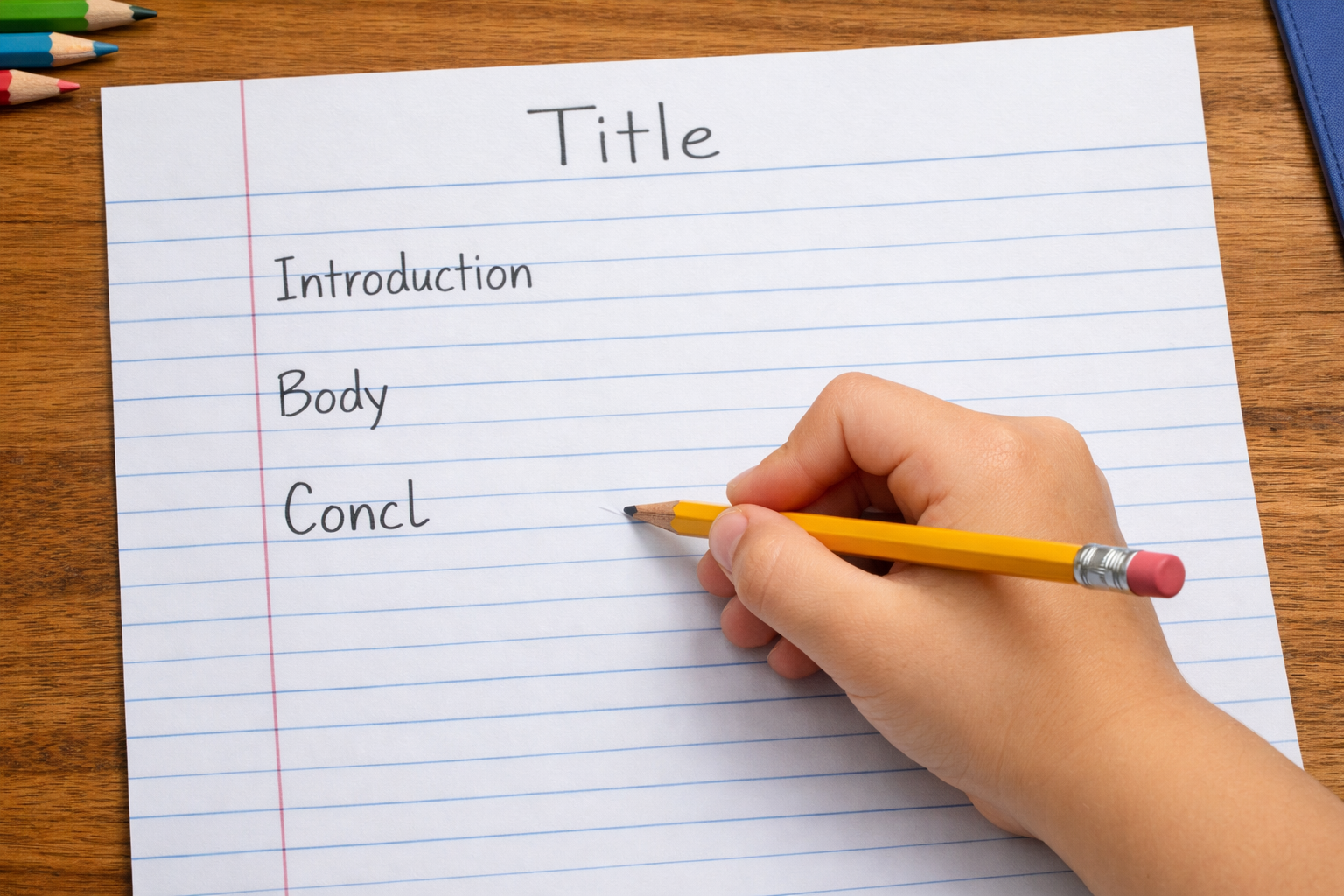
When we think about helping children succeed academically, writing is often a top priority. Essays, reports, and written exams play a major role in how students are evaluated. But one of the most effective ways to improve a child’s writing doesn’t start with a pencil—it starts with their voice.
Public speaking and verbal expression are powerful tools in a child’s academic development. Long before children learn to organize paragraphs on a page, they learn to organize ideas out loud. By strengthening public speaking skills, we also strengthen the foundation for clear, confident, and effective writing.
Speaking Helps Kids Organize Their Thoughts
Public speaking activities—such as class presentations, show-and-tell, or debates—require children to think carefully about what they want to say and how to say it. They must decide which ideas come first, which details support those ideas, and how everything fits together.
These are the exact same skills required for strong writing. When children practice organizing their thoughts verbally, they develop an internal sense of structure. This makes it easier for them to translate ideas into well-organized paragraphs and essays later on.
Vocabulary Grows Through Verbal Expression
Regular speaking opportunities expose children to new words and encourage them to use language actively rather than passively. Saying a word out loud helps cement its meaning and proper usage in a way that silent reading often doesn’t.
As a child’s spoken vocabulary grows, their writing naturally becomes richer and more precise. Strong verbal language skills lead to written work that is clearer, more descriptive, and better suited to academic expectations.
Confidence in Speaking Builds Confidence in Writing
Many children struggle with writing, not because they lack ideas, but because they lack confidence. Public speaking can help change that dynamic.
When a child shares ideas aloud and sees that others understand and value what they’re saying, it reinforces the belief that their thoughts matter. That confidence carries over into writing assignments, where students become more willing to express opinions, develop arguments, and take creative risks.
Oral Storytelling Improves Writing Skills
Oral storytelling—retelling events, explaining concepts, or describing experiences—helps children practice narrative structure. They learn how to create a beginning, middle, and end, how to include relevant details, and how to keep an audience engaged.
These storytelling skills directly support writing development. Children who can tell a clear story out loud often find it easier to write coherent stories, summaries, and explanations across subjects like language arts, science, and social studies.
Next time your kid tells you about something that happened to them, try asking questions that guide them to follow a logical timeline. Also, it is normal for a kid, especially a small one, not to end the story, so insist and ask, “OK, what happened next?” or “How did that end?” This helps them to structure the story, and with time and patience, you’ll see the difference and improvements.
Strong Communication Skills Support Overall Academic Success
Students who can clearly articulate their ideas—both verbally and in writing—are better equipped to succeed in school. Public speaking strengthens critical thinking, listening, and comprehension skills, all of which contribute to stronger academic performance.
By encouraging children to speak with clarity and confidence, we aren’t just helping them become better presenters. We’re helping them become better writers, better thinkers, and more effective communicators overall.

Cátia is a psychologist who is passionate about helping children develop and train social skills.